

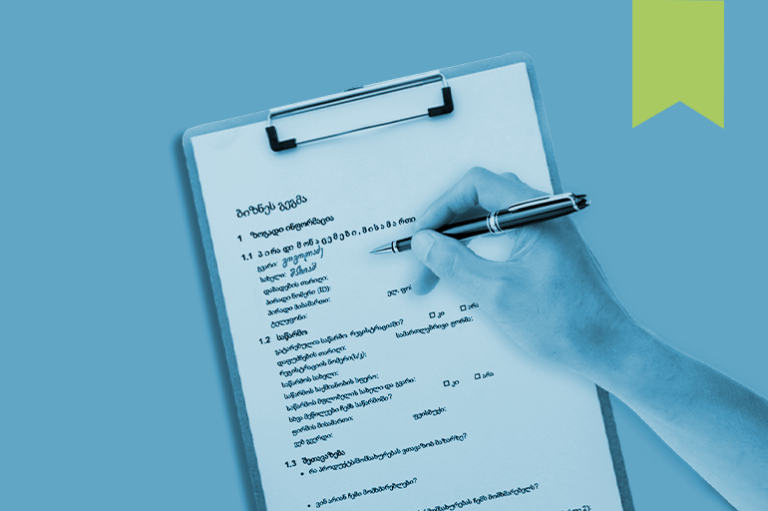
Do you have interesting ideas and a business with development potential? Do you find it difficult to formulate and structure your business ideas? Then you have come to the right place!
1 day:
In the first part, you will learn the basic principles of writing a business plan, understand and structure your ideas, clearly see the strengths and weaknesses, opportunities and risks of your business, develop a strategy, set specific goals for the development of your business and draw up a business plan tailored to it. You will also understand what to focus on when communicating, what your potential funders pay special attention to, and how to convincingly present your business idea with a concise and customer-oriented presentation.
Topics to be discussed:
- Company vision: In what direction should the company develop in the future?
- Unique Selling Proposition (USP): How to convince potential customers of the high value and advantages of your product. What differentiates you from your competitors?
- Market analysis: Identifying a clear target segment and connecting with them through individually tailored channels and tools. Selecting the right communication language and forms
- SWOT analysis: focusing on strengths and balancing weaknesses, exploiting opportunities and identifying risks
- Competitor analysis
- Planning and timing of strategic steps necessary for business development (Gantt Chart)
- Product Quality: Analyzing Customer Requirements and Expectations. How to Ensure the Quality of Products and Services
- Risk management plan, risk assessment and prevention measures
2 days :
In the second part, you will gain an understanding of the basic principles of financial management in the small and medium-sized business sector, which will help you understand the financial situation of your business.
You will learn how to prepare a profit and loss statement and use it to plan your finances for the next four years. With this plan, you will compare the estimated revenue from your products or services with the estimated operating and raw material/mainstream costs and, based on the analysis, you will understand whether it is worth continuing/starting the business. In addition, you will control your receivables and payables, correctly record depreciation and other important expenses, plan your finances, perform financial analysis, and make the right decisions.
Topics to be discussed:
- Accounting for income and expenses
- Calculating gross and net profit using the profit and loss statement
- Maintaining debtor-creditor lists, using them to determine and control the positions of customers and suppliers
- Calculating depreciation expenses
- Defining the nature of the reserve.