

"To be called a man means to bear responsibility," said Antoine de Saint-Exupéry.
Today, being a business does not just mean offering a product or service to customers. Business is more than just making money. Today's world evaluates companies, regardless of their size, based on whether they are focused on the well-being of society. In many cases, this is what determines the success or failure of a particular company .

კორპორაციული სოციალური პასუხისმგებლობა, იგივე სიესარი (CSR), რომელსაც განვითარებულ ქვეყნებში მრავალსაუკუნოვანი ისტორია აქვს დღითიდღე უფრო და უფრო დიდ მნიშვნელობას იძენს ჩვენს ქვეყანაშიც. არაერთი ქართული კომპანია ცდილობს უპასუხოს საზოგადოების მოთხოვნებს და თავის ყოველდღიურ საქმიანობაში გარემოსდაცვითი თუ სხვადასხვა სოციალური საკითხებიც დანერგოს და ამით თუნდაც მცირედი წვლილი შეიტანოს იმ საზოგადოების განვითარებასა და კეთილდღეობაში, სადაც ის ოპერირებს და რომლის ნაწილსაც თვითონ წარმოადგენს. გავიხსენოთ თუნდაც საქართველოს ბანკის პროდუქტი «მწვანე ანაბარი», რომლის ფარგლებშიც ყველა იმ ადამიანის სახელზე, ვინც გახსნა ანაბარი, დაირგო ხე წაღვერის რაიონში(ჯამში 45,000 ნერგი) და უზრუნველყოფილ იქნა ამ ნერგების მოვლა, კამპანია charte.ge, რომლის ფარგლებშიც პანდემიის პერიოდში სოციალურად დაუცველ მოსწავლეებს ჩაურთეს ინტერნეტი და დაუფარეს მთელი წლის ინტერნეტის საფასური, რათა მათთვის შესაძლებელი ყოფილიყო ონლაინ რეჟიმში სწავლა. ალბათ გვახსოვს კამპანია «წერე ქართულად», რომელიც თიბისის კორპორაციული სოციალური პასუხისმგებლობის ფარგლებში განხორციელდა და ქართული ანბანის ციფრულ სამყაროში ინტეგრირებას ემსახურებოდა. აღსანიშნია სხვა სახელოვნებო პროექტებიც, რომლებიც ქართული კულტურის მხარდაჭერას ემსახურება. დღითიდღე უფრო და უფრო მეტი ბიზნესი ერთვება გაცნობიერებულად სხვადასხვა კორპორაციული სოცალური პასუხიმგებლობის კამპანიებში. უკვე რამოდენიმე წელია ყოველწლიურად გლობალური შეთანხმების საქართველოს ქსელის ორგანიზებით კორპორაციული პასუხისმგებლობის ჯილდოც იმართება, რომელშიც აქტიურ მონაწილეობას იღებენ სხვადასხვა ქართული კომპანიები. ეს და სხვა მსგავსი ღონისძიებები ზუსტად ბიზნესის მდგრადი განვითარებითვის აუცილებელი კორპორაციული სოციალური პასუხისმგებლობის კულტურის დანერგვას და მის პოპულარიზაციას ემსახურება. გამარჯვებული კომპანიები აქტიურად ცდილობენ გაეროს მდგრადი განვითარების მიზნების შესრულებას: ხარისხიანი განათლების, გენდერული თანასწორობის, ღირსეული სამუშაო გარემოს, ქალაქებისა და სოფლების მდგრადი განვითარების, ჩვენს პლანეტაზე ზრუნვის ხელშეწყობას.
ჩვენი მოხმარებელი ამას აკვირდება და აფასებს. არაერთი კვლეევა ადასტურებს, რომ მომხმარებელი მზადაა შეიძინოს პროდუქტი, რომლის მწარმობელი კომპანიაც ითვალისწინებს ეკოლოგიურ ფაქტორს, იცავს დასაქმებულთა შრომით უფლებებს, ეთიკურ ნორმებს, დადებით გავლენას ახდენს იმ გარემოზე, სადაც საქმიანობს.
და მაინც რა არის კორპორაციული სოციალური პასუხისმგებლობა(CSR)?
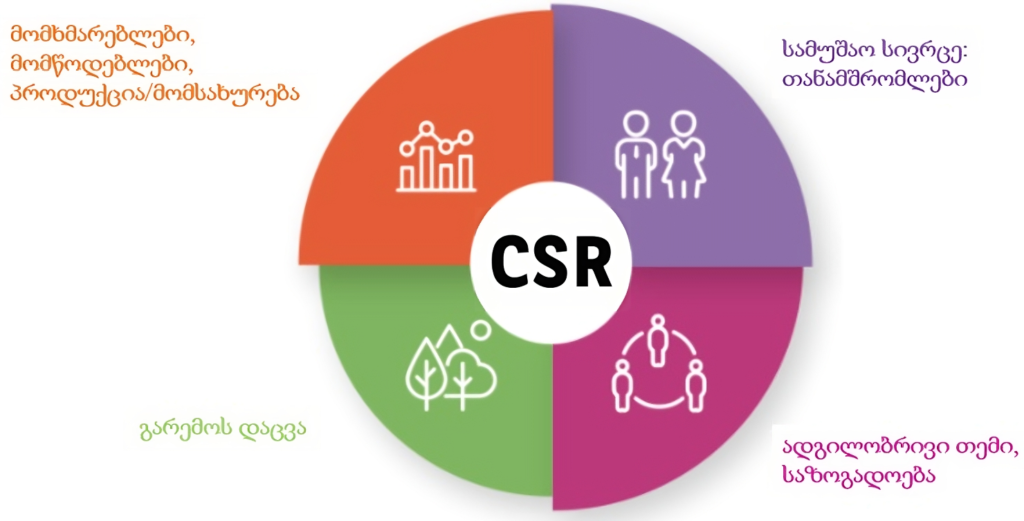
Corporate social responsibility represents a company's goodwill to have a positive impact on the environment and society through its activities in economic, social, and ecological directions.
Many people think that corporate social responsibility/CSR is only for big companies, that it is associated with very high costs and is not relevant for small and medium-sized businesses, that in the case of small businesses it is a waste of money. This is definitely not the case. Just as every person bears his share of responsibility, every business, regardless of its scale, must bear its share of responsibility. For example, the Georgian enterprise Tene Movshivlyot, which produces eco-friendly USB cables. The enterprise has switched to a 4-day work regime . “We believe that if a person has more time for his personal life, he will be more productive at work!” — we read in their statement. It must be said that, unknowingly, many other small businesses are distinguished by high social responsibility, many small and medium-sized enterprises take care of their staff, take care of our planet, contribute to the development of the local community, but do not know how to use this to increase their competitive advantage.
It doesn't matter if you are a small business or a large corporation, the truth is that strategically managed corporate social responsibility activities can be a great success for a company.
Many people confuse one-time charitable activities, which often involve large financial resources, with CSR. Corporate social responsibility implies a long-term, sustainable strategy, when developing which we take into account the values, activities, and resources of the company and choose the priority(s) in which our corporate activities should be directed.
So if you are a small or medium-sized business, think carefully, analyze your activities, you may discover that you are already implementing a number of responsible initiatives, although this is neither discussed within the company's internal circles nor is the public provided with appropriate information.
The fact is that many small companies, without realizing it, based on their values, based on their given situation, already bear a high level of responsibility and, unlike a large corporation, require much fewer resources to turn this given situation into their competitive advantage. The main thing is to fully understand the benefits of all this and also remember that to achieve results, patience, a sustainable, long-term strategy are needed and its integration into our daily activities is necessary.
The benefits of corporate social responsibility are many:
• Satisfied, happy, loyal and motivated employees
• Easily attract new employees if necessary
• Raising awareness/brand promotion
• Increase competitive advantage
• Improved reputation
• Sales improvement
• Loyal customer
• Cost savings
• Access to finance if needed
• Attracting strong partners/investors
• etc.
So if you haven't thought about it yet, I recommend that you think about it and develop your own corporate social responsibility strategy.
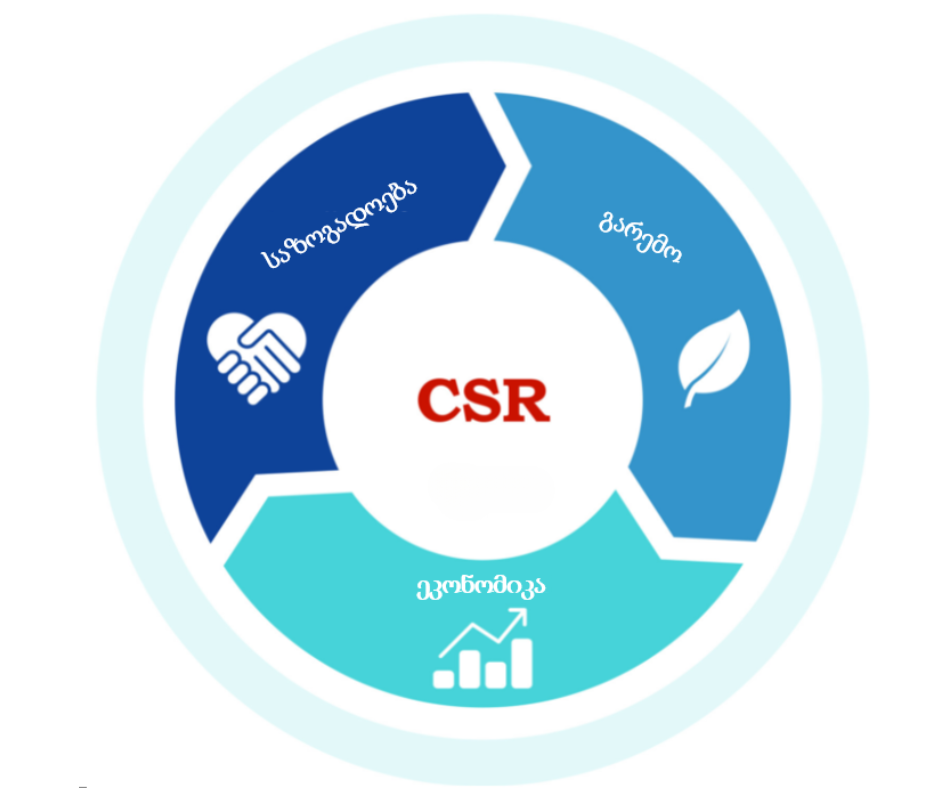
It is better to start small, choose a direction that is close to your work, and set goals that are realistic for you to solve with your human, financial, and time resources. Your responsible initiatives can initially be linked to one of the following areas:
• Taking care of employees, creating ideal working conditions for them
• Customer/supplier relationships, your product/service
• Caring for our planet
• Relationship with the local community/society
Then take actionable steps in a specific direction, slowly scaling them up and making them an integral part of your business.
Let's not forget that this is a long-term and non-recurring process that includes a preparatory stage, communication with stakeholders, planning, and implementation of the plan. This necessarily includes: evaluating the actions taken, what was effective and what was not, communication with the public, with customers. Correct, consistent communication about the implemented initiatives and their results is the key to the company's success.
However, let us reiterate the premise:
A plan developed within the framework of corporate social responsibility is necessarily consistent with the company's core values and activities. Both management and employees share this plan and are involved in its implementation. The plan is long-term and does not involve a one-time charitable activity.
Developing a corporate social responsibility strategy and implementing it in practice takes time, but it definitely brings positive results for the company.
So, define the scope, analyze, plan, take step-by-step action, and then make sure your target audience receives the necessary information.
"A business that only makes money is a bad business"
Henry Ford
So don't be a "bad business", take care of the environment, try to contribute to the social, ecological and economic development of society and the local community with your activities. This will return to your business in the form of boomerang success!