

A crisis is an unexpected event. There comes a time in a company's life when it has to deal with a difficult situation. The problem arises in the present and requires a quick response. As in health issues, delayed intervention in a crisis can make the situation worse.
As Jamie Moldavsky, head of marketing at Wells Fargo, says, we cannot choose the crisis, but its management, the development of an anti-crisis strategy, is in our hands. This is precisely what is decisive.
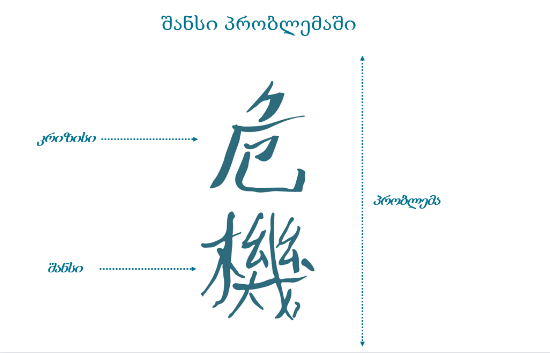
The word crisis means turning point in Greek, and in Chinese it combines two characters, one meaning danger and the other meaning opportunity. Accordingly, we have the opportunity to make a turning point in the life of a company.
A crisis is an ideal situation to "shake up" a business and devise new strategies . There are many examples where companies emerge from a crisis stronger and more successful with new perspectives, new products, and staff equipped with new skills.
For this, it is necessary to properly manage the crisis situation. In this process, along with teamwork, the actions of a clear leader are important. In many cases, the management process is centralized, the main decision-maker becomes one person or a group of people reduced to a minimum. The leader makes a decision quickly, and takes full responsibility for it, the analysis of the situation is based on a long-term perspective, and the starting point remains the customer (of course, taking into account the interests of the firm).
In a crisis situation, the process of information movement is accelerated, the action plan is divided into small steps, includes short sections, is developed centrally and sent directly to the executor. It is important that everyone accepts the task, even if it is not critically important at the given moment.
As the frequency of tasks increases, controlling also becomes stricter. Finances come under special control, it becomes important to optimize costs, review all possibilities for their reduction, so as not to cause more damage to the company's viability than is permissible.
Employee relations are also an important issue . The firm must ensure that employees have access to accurate information at all times. Any decisions regarding them must be fair and long-term. The firm's primary objective should be to retain its vital personnel.
The anti-crisis team must work hard with suppliers, customers, partners, debtors/creditors, and every party involved in the business process. Here, it is important for the organization to have a common communication language, a kind of standard for communication. Inappropriate behavior is unacceptable.
Every crisis is different, so the scale of decisions and actions taken, as well as their sequence, depend on the causes of the crisis, its form, and its nature. However, the measures listed above are relevant in almost all crises.
During a crisis, a company's main goal is survival, however, many companies grow, develop, and emerge victorious from the situation with the right anti-crisis measures, vision, and strategy.
One such company is Johnson & Johnson, whose anti-crisis strategy was so successful that this case has become a learning model for crisis management.
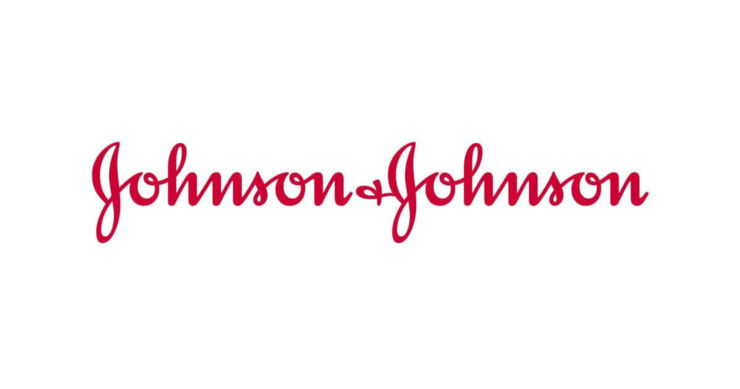
In 1982, the scandal that befell Johnson & Johnson shook the entire United States. It was the so-called cyanide crisis: cyanide got into Tylenol capsules, which killed 7 people (Tylenol is a paracetamol-based drug that had 100 million users before the crisis, held 37% of the market and at that time provided 33% of the company's annual profit). Within 24 hours, the scandalous story completely covered the American media space, the information spread quickly, and within a few days, 90% of the US population was talking about the Johnson & Johnson crisis.
This was not a mistake made by the company or its negligence, they suspected an unknown serial killer, but despite the involvement of the Chicago police, the Federal Bureau of Investigation (FBI), and the Food and Drug Administration (FDA) in the investigation, the case remains unsolved to this day (about 100 specialists were involved in the investigation, more than 1,000 versions were studied, and about 400 suspects were arrested and interrogated, but to no avail).
How did Johnson & Johnson respond?
First of all, the priority was identified - the consumer, his safety. The main concern of the anti-crisis team was “how to protect the consumer” and only then, “how to preserve our product”. The company urged the population not to use Tylenol until its safety was clarified. Production of the drug was stopped, all batches produced were recalled, a total of 31 million units of Tylenol (the total cost of which was approaching $ 100 million), which meant colossal losses for the company.
Throughout the crisis, Johnson & Johnson actively covered the situation, a hotline was set up regarding safety measures, the company was in constant communication with Tylenol consumers, and several large-scale press conferences were held at its headquarters, which resulted in a lot of positive feedback.
Six months after the crisis, Johnson & Johnson was able to present the scandalous product to consumers in completely new, safe packaging.
The special packaging was intended to protect consumers from unauthorized products. The company's crisis management strategy, based on the principle of forgiveness and gaining sympathy, laid the foundation for the development of a successful communication strategy .
The forgiveness strategy involved providing the public with accurate information and acknowledging that a crisis had occurred. Introducing new packaging and rehabilitating the product sent a message that the company was ready to make amends, and making amends meant protecting against future unforeseen risks.
The strategy of sympathy, which was a key part of the communication, helped the company gain public sympathy. They showed consumers that they themselves were victims of circumstances. The company's willingness to incur such a huge expense to protect the public paid off, and Johnson & Johnson soon fully restored its pre-crisis position. Consumer confidence in Tylenol was fully restored, and Johnson & Johnson's reputation as a whole also improved.