
"Happy is he who is healthy. Rich is he who lives without debt."
This Chinese wisdom would probably be enough to explain why Georgia is not on the list of leading countries with high levels of happiness or wealth among its population.
It is difficult to find a family in Georgian reality without debt. Excessive debt leads to poverty, constant stress, and consequently, deterioration of health.
Where does this problem, which has remained one of the main challenges for the country's population for years, originate?
If we start looking for the reasons, at first glance we might point to an unforeseen situation, unexpected unemployment, a sudden health problem, an accident, or other similar social circumstances, but if we delve deeper, we will see that debts are often related to our bad habits and lifestyle , and we ourselves find ourselves the smiths of our own fate or misfortune.
A person is a product of personal beliefs, principles, aspirations, and conscious or unconscious behaviors, and this explains how some manage to live without debt, while others never get rid of it.
And yet, what are the psychological reasons behind the unforeseen situations that trap us in debt?
- Materialism
Some of us find self-expression, self-satisfaction, and happiness in material things. The sight of fancy clothes, accessories, and other luxuries excites our brains and, when we are dissatisfied, makes us restless. This is how we become potentially indebted and victims of material ambitions.
- Depression
If we admit it to ourselves, often our purchases are not motivated by necessity, but rather by compensation for our life's disappointments, loneliness, or low self-esteem. We hear an inner voice: "At least you have this, you're lucky in nothing else," "You deserve this anyway"... However, instead of consolation, new purchases often only bring debt.
- Neglect of planning
Planning is not really a strong point for many of us. When we plan every important action, we figure out where and how we can divert funds to avoid debt. With spontaneous steps, we increase the number of unforeseen events and unforeseen debts.
- "We come once in a lifetime"
Many of us use this phrase to justify our irrational actions. As if our "only once in this world" gives us the right to make certain exceptions. These exceptions are often beyond our means, yet even taking on debt seems justified as compensation for our "only once" existence.
- Excessive generosity
Let's remember how many times we have allowed our loved ones to use our time or other resources excessively; we have asked for things and returned them damaged, but we have paid for the repairs ourselves; we have invited others at our expense more than once in order to show off or avoid them; we have given away things that we ourselves needed because we could not refuse the request, and so on. If mimetic generosity is a trait of our character, let's think about how much money we lose over the years on such trifles, and when it comes to an urgent need or a significant investment, we have no savings, because we were unable to save up for it due to our naive nature. And now we are looking for a solution in credit institutions.
- Loan taken out for someone else
When you are a parent, it is difficult to say no to your beloved child for various irrational purchases, even on installments. When you are a spouse, you cannot stand by and watch as your spouse is drowning in gambling debts, and you turn to the bank to save him. When a friend comes to you asking for help, taking out a loan on their behalf, because he himself has been on the blacklist for a long time, it is difficult to say “no”. And “someone else’s” debt suddenly becomes “your” debt.
- Negligence
Often the need to purchase a new item, car, etc. arises as a result of careless use of its predecessor. In the absence of funds, taking out a loan is inevitable.
- Imitation
It is difficult to be responsible for one's own choices, actions, and goals. It is much easier to do what others do, behave in the same way as others, and set other people's goals, without realizing that if it comes naturally to others, we may have to make extra (often financial) efforts, and we take out loans with the deep belief that we will repay them like others.
- Innovation disease
Humans are naturally curious creatures. It is thanks to the innovation craze that every year we rush to buy a new mobile phone or other modern gadget, forgetting that the installment is also a debt.
- Fear of numbers
Many of us are confused by numbers. We have difficulty calculating the correct interest rate or even the required amount when taking out a loan, we get caught up in the schemes drawn up by credit institutions, and we easily fall into the debt trap.
- Sense of ownership
Psychological research has shown that people perceive borrowed money as property and are reluctant to transfer their "property" to others. Therefore, they subconsciously do not rush to pay off their debt, and thus debt accumulates.
- Lack of self-control
Humans are by nature impulsive. We prefer to receive less today than more tomorrow. Interesting are studies conducted in America, in which subjects were offered ten dollars right now or twenty dollars a week later. The majority chose the second option. But after the ten dollars were packaged with additional incentives, such as the promise of instant happiness, pleasure, or satisfaction, the majority agreed to receive the smaller amount. The large difference between the amounts was no longer perceived as painful when the human brain was stimulated by various arousing factors (arising expectations, promises, etc.). And an excited brain cannot wait for long. Now we probably understand how advertising slogans and appeals affect us. How companies push us to buy their products, and banks to take out loans in case of a shortage of sufficient funds. The self-control mechanism is activated only with great internal effort, which not everyone has.
Many people might wonder how the reasons listed are directly related to debt, but if we look at how much money we could have saved in each area over the course of our lives, and later solve important problems or issues with these savings rather than bank loans, we will realize that our habits often affect our debt.
So let's change our habits, and our tips will help you with this:

- Before you buy another branded item with a loan from a friend, think about whether this is what you should identify with. Aren't you above that? You really only get one chance in your life, so focus on personal development, not material things.
- You can compensate for the dissatisfaction with yourself caused by depression by connecting with friends, playing sports, focusing on your work, or self-education, especially since the modern digital world provides us with endless means of self-development, often for free.
- Learn to plan your general actions or purchases and analyze your expenses. Studies show that unplanned purchases are more common in our lives than planned ones. Don't become part of the negative statistics. Constantly write down your expenses to control the numbers and analyze how much you spend on what and whether it is worth investing your money and, accordingly, your labor. There is also a psychological factor involved. When we write down expenses, our brain receives information as if we are accountable to someone else, even if it is another self, and we are no longer pushed to squander money for fear of an imaginary "controller" or conscience.
- Generosity is not always a positive trait. Don't be too stingy. Offer a helping hand, but don't let others take advantage of you. Saying "no" is often not a sign of stinginess or incompetence, but rather a sign of good stewardship of money and other resources. Forget the phrase "what will people say." They won't pay your debts.
- Don't be careless about everything that defines your daily life. Be careful with your belongings so that you don't have to replace them prematurely at the cost of debt.
- As you explain each new purchase with innovation, think about whether you are a victim of consumerism and helping companies enrich themselves by manipulating your spending behavior.
- Look for alternatives. When you want to buy something and don't have the funds, before you start raising money, think about alternatives. For example, buying old clothes instead of new clothes for a party, repairing old appliances instead of new ones, etc.
- Be honest with yourself. Don't fool yourself with false promises that you will be able to repay your debt easily if you don't have a solid basis for this. Look at your own capabilities and your own income in the stables.
- Set a limit for yourself. If shopping is your addiction, set aside an amount when you go shopping that will be enough for necessary and planned purchases and make sure that you do not make frequent exceptions. It is also worth considering that people are less likely to track their expenses when paying with a credit card than when paying with cash. Cash, which a consumer feels and sees in his hand, is considered property and is given less than invisible numbers on a card. Therefore, leave your card at home and carry less money with you to avoid impulsive and spontaneous purchases. Do not forget about the Covid situation and practice hand hygiene after using cash.
- Set a goal to pay off your debt. Some people are depressed by debt. They feel like they have let everyone down, which lowers their self-esteem. Since all their income goes to paying off debt, it’s hard to focus on the future. Start by optimizing your expenses, mobilizing small amounts of money, and then gradually pay off your debt. At the same time, set aside a symbolic amount to motivate yourself, and use this money to reward yourself with a small gift as a sign that life hasn’t completely ruined you. Don’t bury your dreams. Stay optimistic. Gradually, you will be able to become confident and motivated again.
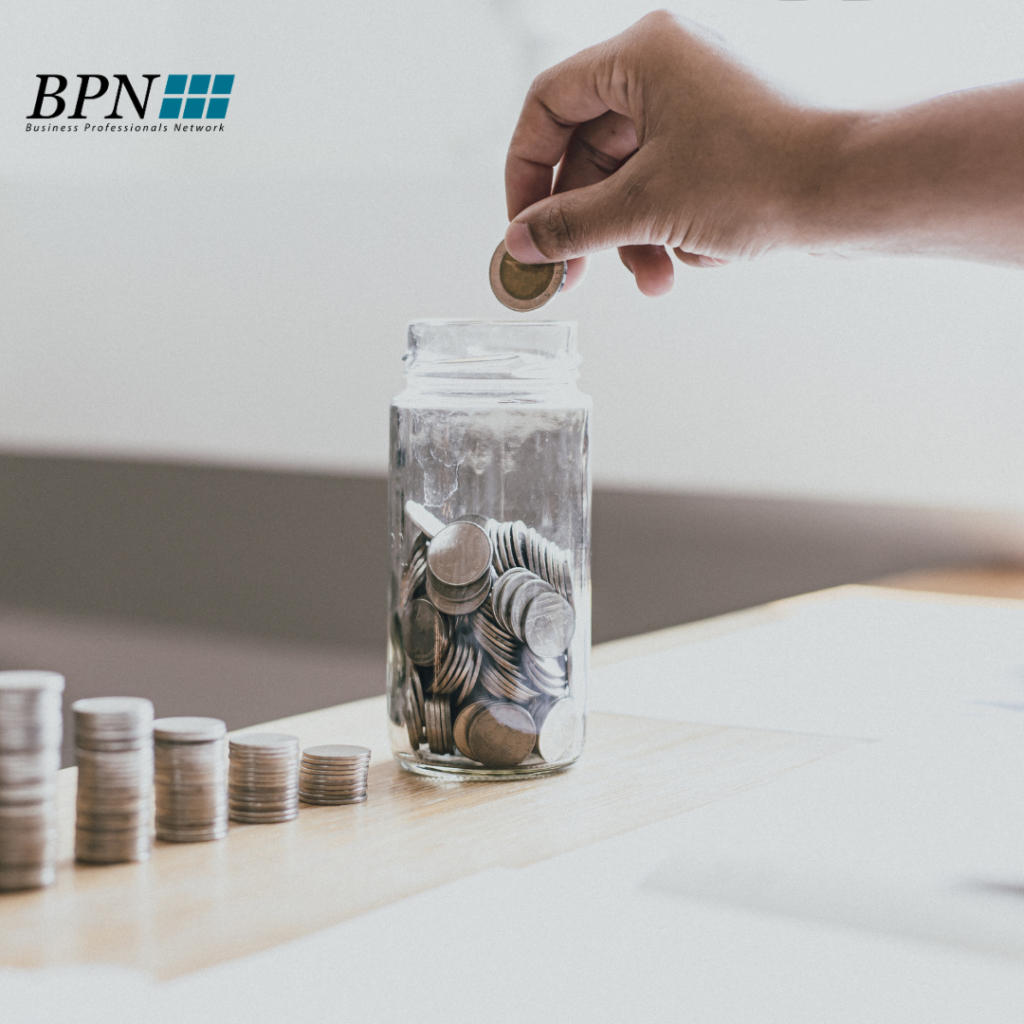
And finally: get into the habit of saving! Every dollar you save will one day go towards improving your life, while every dollar you spend aimlessly and unnecessarily increases your risk of debt in the long run. Before taking on even a small debt, remember: you are not paying someone else money in interest, but the work and energy you put into earning that money.
And if you are interested in how to plan your business and save costs, we will help you with this. Follow us !
Wishing you a debt-free, happy life!