
"A good marketer knows that marketing is not an expense, but an investment." (Seth Godin) *
Good marketing begins with market analysis. The market is represented by the consumer. Consumers are numerous and diverse.
"If your content marketing is for everyone, consider it for no one." Joy Pulis *
It is necessary to select a target segment. The more precisely you define the consumer segment and specifically direct all activities and advertising towards it, the more successful your marketing campaign will be.
But:
Do you always come across commercials, even for successful companies, with a properly selected target segment?
It is rare to find a teenager or adult who still believes in the existence of Santa Claus. The belief that there is a kind grandfather somewhere who makes dreams come true is said goodbye in early childhood. It is also rare for a parent to believe that Coca-Cola is a healthy drink for their young child.
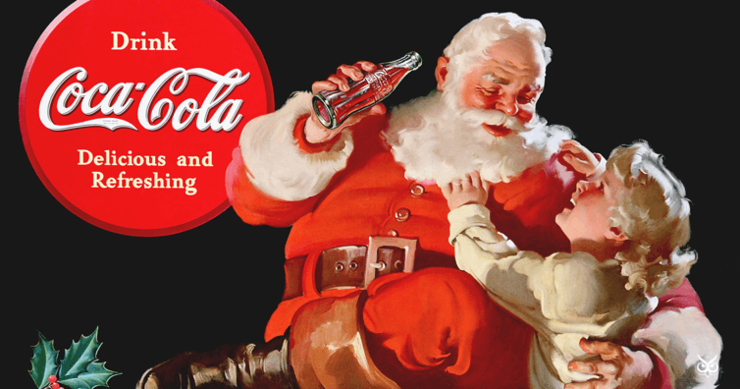
Coca-Cola's main target segment is cheerful, energetic, dynamic young people. So how can we explain the appearance of Santa Claus in Coca-Cola advertising since the 1930s, if the company's direct target audience no longer believes in the stories of Santa Claus, and for those who do (i.e. children), this drink is less recommended?
Is the purpose of these advertisements simply to manipulate people's childhood memories and evoke past sentiments? What is the mission of Coca-Cola's Santa Claus ?
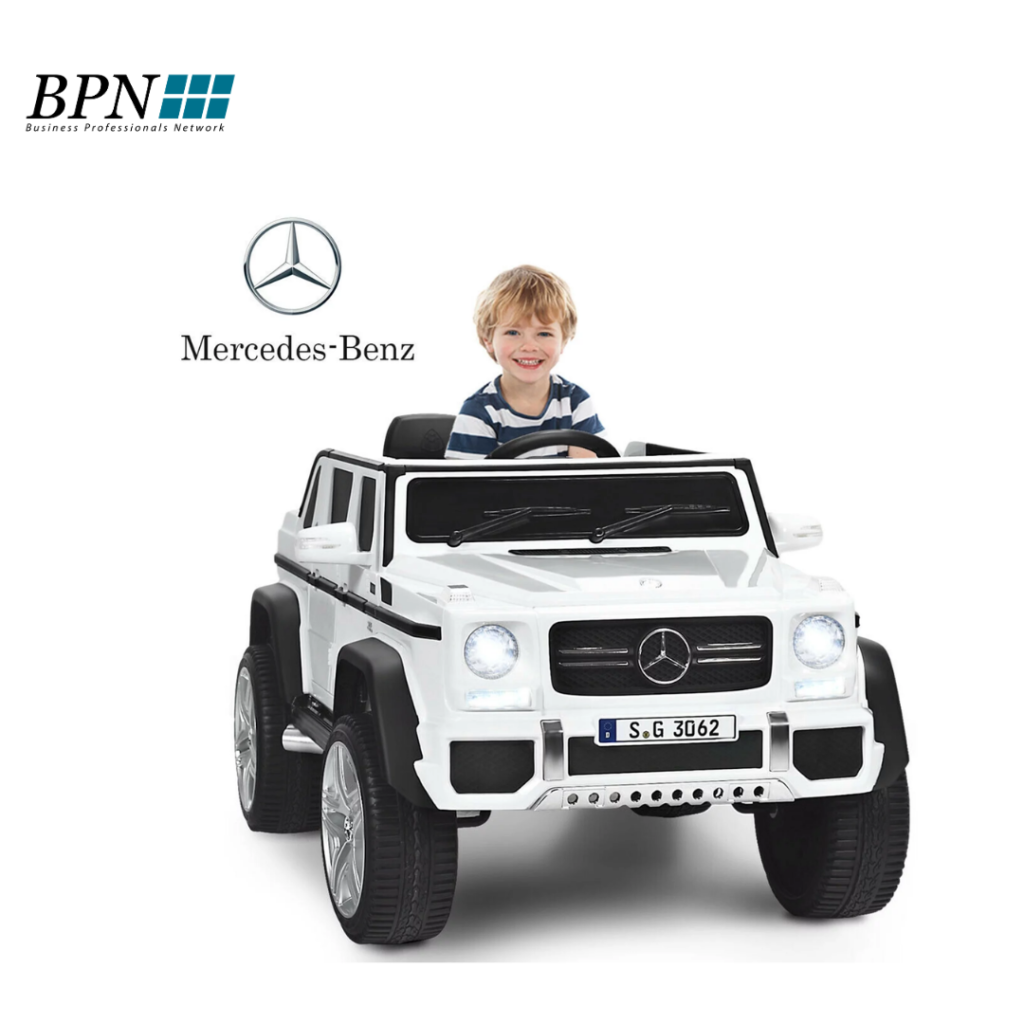
Mercedes' target segment is a mature, well-rounded, solid person who appreciates comfort, stability and security in a car, expresses his personality and emphasizes his image with this car brand. Image issues, as well as other messages that the company uses in its communication with consumers, are less relevant to children due to their age. Nor is it crucial for a child which car his parent drives, in any way influencing the parent's purchasing decision after seeing a Mercedes advertisement. Despite this, we find content tailored to children in many Mercedes advertisements.
Using children's faces and children's content in Lego or Kinder ads is logical, but what are we dealing with in the case of Mercedes ?
According to modern studies conducted in America , a 3-year-old child can already recognize up to 100 brand logos (researcher Allen Kanner)*. Neuromarketing studies are increasingly revealing that when making a purchase decision, we are guided by emotions, memories, nostalgia, fears, or even unconscious impressions stored in our subconscious. Information and emotions from various advertisements are deposited in the subconscious from early childhood and accompany a person throughout life. In a market saturated with many competitive products, a reasonable price and even good quality are no longer sufficient arguments to influence the purchase decision. Something else is needed that will distinguish you from others in the eyes of the consumer and make them focus on your product. These are the other emotions that control a person from the subconscious. It is this subconscious that Coca-Cola or Mercedes are targeting when they use children's themes in their advertisements.
According to research, a child begins to understand the purpose and messages of advertising from about 10-11 years old. Before that, advertising becomes interesting to him only if it speaks in a language he understands: with toys, children's faces, a child's voice, children's themes. The child unconsciously remembers the actions, key words, phrases, logos, colors at this time , and when, as an adult, he goes to the store to quench his thirst and sees a lot of choices on the shelf, his subconscious will definitely revive the scene of Santa drinking Coca-Cola stored in his memory and push him to feel not so much this drink, but the sweet childhood memory of Santa Claus. Or when the time comes to buy a car and he has to make a difficult choice between several brands of equal price and quality, for some reason the message that Mercedes imprinted in his memory in his distant childhood, that what is most precious to a person, he leaves in the best hands, that is, in the hands of Mercedes, will come to mind. Or he will remember how he imagined himself in the place of that boy who sneaks out of the house in the hope of returning in a Mercedes. The pleasure experienced by the boy while sitting in a Mercedes will also come alive in him, and don't be surprised if his conscious mind, imperceptibly guided by this subconscious emotion, will find convincing arguments why he should buy this car brand anyway.
It is already a known fact for neuromarketers that the appearance of children's faces in advertising sells the product best. Smart companies know this, they know the power of children's emotions and childhood impressions on human future actions and use them in advertising with a long-term perspective. The result is not achieved in a day. But the Mercedes brand was not created in a day either.
Join us to learn more about the role of these and other neuromarketing tools in sales with our seminar "Branding, Sales, and Consumer Psychology" and manage consumer behavior to your advantage.
* Joe Pulis – marketer, speaker, author
* Allen Kenner – PhD in Child Psychology, University of California
* Seth Godin – American entrepreneur, writer, speaker, and marketing specialist