
If in the last century the appearance of each new product on the market was a big event, because the level of intellectual or technological development did not allow any order or demand of the masses to be satisfied with the appropriate supply, in the 21st century the picture changes dramatically. The consumer does not have time to get used to one product, so that sometimes the next, updated version of the same brand or competing firm is released on the market, and this applies to almost all products on the consumer market. Many new products sometimes disappear from the shelves so quickly that the consumer does not even notice their existence.
To quote German business leader Hans-Joachim Koeber:
« We will achieve success in saturated markets only through marketing and innovation »
Offering innovations requires a lot of financial and intellectual resources, which is a luxury for many companies. It is also a luxury to carry out expensive marketing activities to increase and maintain awareness of even non-innovative products. However, it is much easier to think of a creative marketing campaign than to create a completely innovative product. That is why many companies have managed to launch such creative or shocking marketing campaigns that attracted attention at a budget price before their products established themselves in terms of functionality or quality.
At different times, now-famous companies used different methods to attract the attention of the masses.
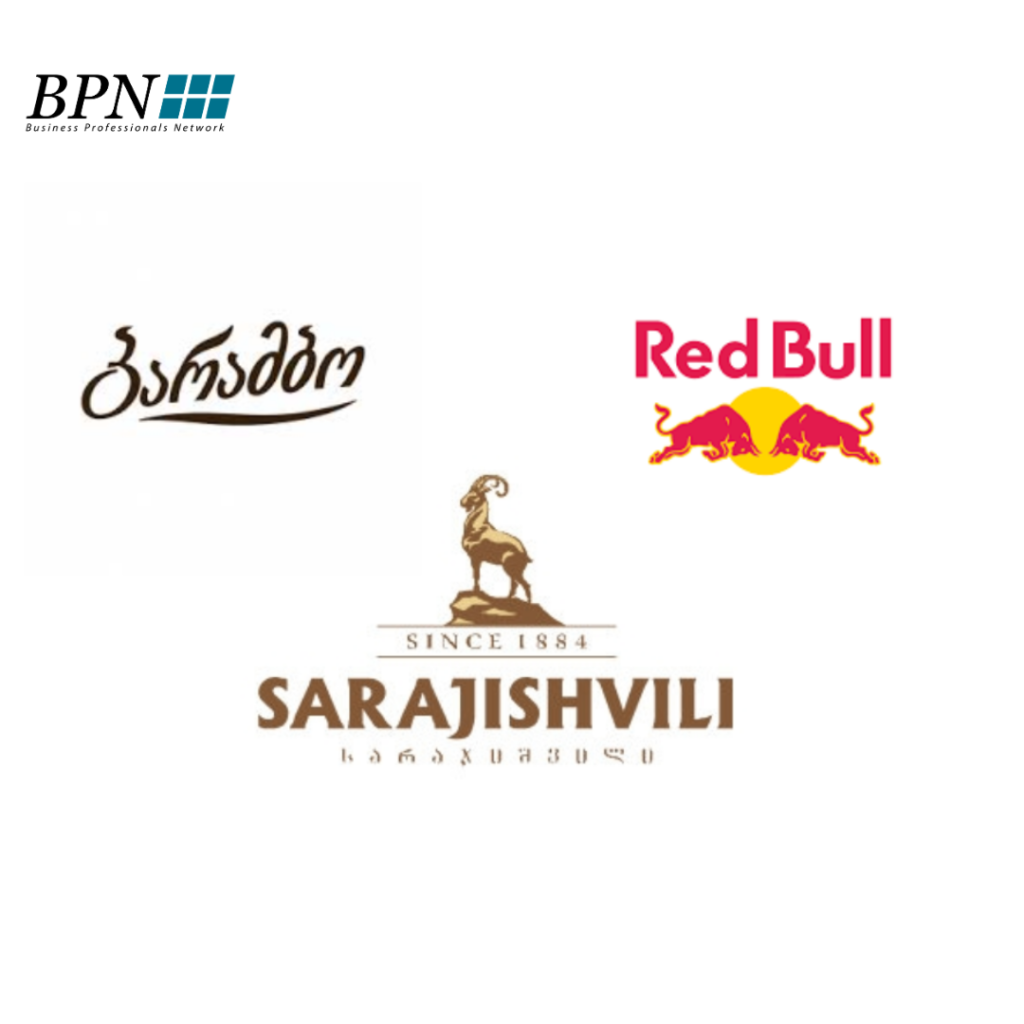
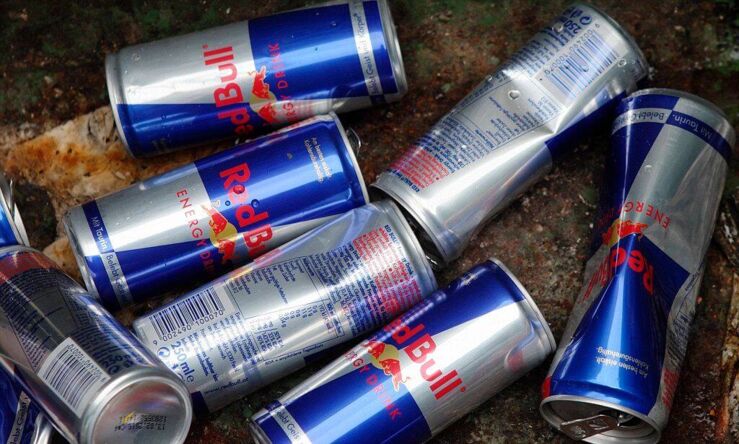
Founded in Austria in 1987, Red Bull , an energy drink company, used a relatively low-budget PR campaign in the 1990s before it linked its marketing campaign to extreme sports and devoted a third of its annual turnover to it. After the company selected energetic young people aged 19 to 29 who loved sports, extreme sports and partying as its target segment, it began actively appearing in their gathering places. Red Bull representatives gave away energy drinks to members of extreme sports and energetic entertainment clubs and influencers in the field at the time, even before they were released, giving ordinary consumers the impression that only a few deserved this drink. Empty cans of Red Bull were dumped in large numbers in the dumpsters of nightclubs and bars to create the impression that the product was in demand. In places where young people gather, near clubs and universities, fake distribution trucks decorated with the Red Bull logo and staff dressed in the same uniform appeared. These activities gradually made the product recognizable and today the company is one of the world's leading companies with an annual turnover of 6 billion and 12,600 employees.
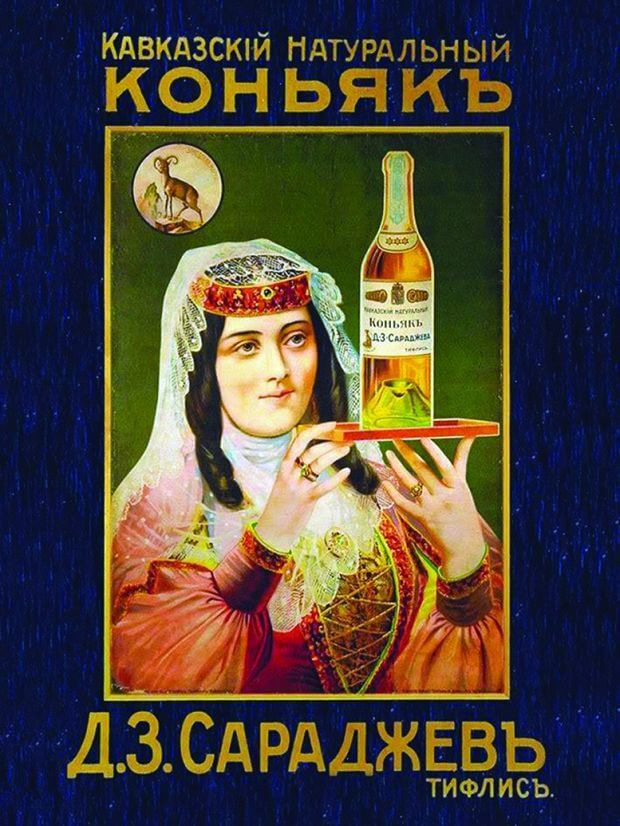
The story of the first Georgian cognac producer, Sarajishvili, also begins with a shocking incident. Before the brand, founded in 1884, produced about 50 types of cognac by the end of the century, expanded production outside the country, and earned the highest praise at international exhibitions, it needed to take a shocking step to increase its awareness.
Hired by Sarajishvili, the kintos would sell Sarajishvili cognac in taverns and shops, and when they were refused by the astonished drinkers, they would break the bank and often beat the shopkeepers, who would later of course receive compensation from Sarajishvili himself. Thanks to these actions, soon every guest in the shops would be asking what kind of drink was Sarajishvili cognac , and the rumors spread rapidly in Tbilisi. Today, the company no longer needs to fight for recognition. It exports its products to 20 countries around the world.
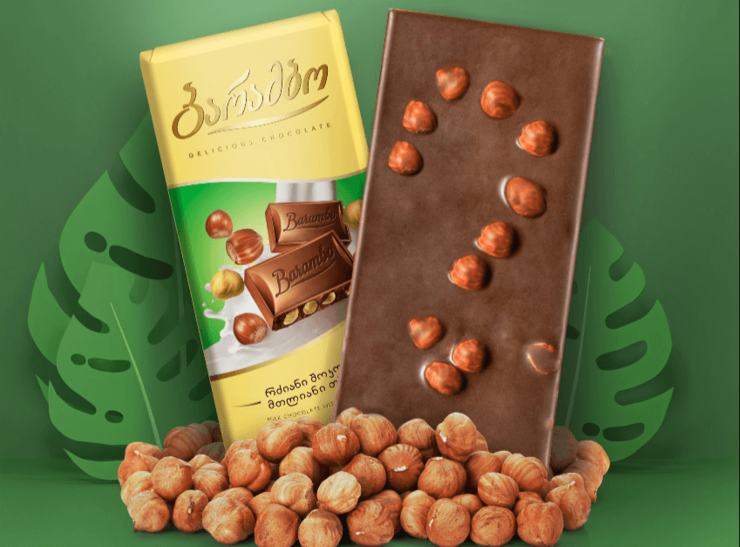
The chocolate company Barambo is also making a splash on the Georgian market. We all remember the noisy PR campaign it launched in 2009, during which signs about the then still mysterious chocolate factory appeared on the streets of Tbilisi, on asphalt, and on TV with the content “What is Barambo?” Everyone was interested in what was hidden behind this intriguing question. There were rumors spread by curious people, this issue was discussed on forums, and when the company was officially introduced to the Georgian public in 2009, everyone had already heard its name in advance. The company’s success did not delay, and since 2011, Barambo products have been available on the international market.
What unites all three companies is a creative PR campaign, which often includes elements of shocking. Shock arouses curiosity in any society, and this is the human trait that most pushes them to action, to knowledge, to experiment, to purchase.
Let's try to arouse the user's curiosity. Let's remember:
"The public applauds fireworks, not the sunrise" - * Friedrich Hebel
Join us for the seminar " Branding, Sales and Consumer Psychology " And let's learn together how to create fireworks with our own products.
* Friedrich Hebel – German playwright and lyricist
* Hans Joachim Koeber – German business leader