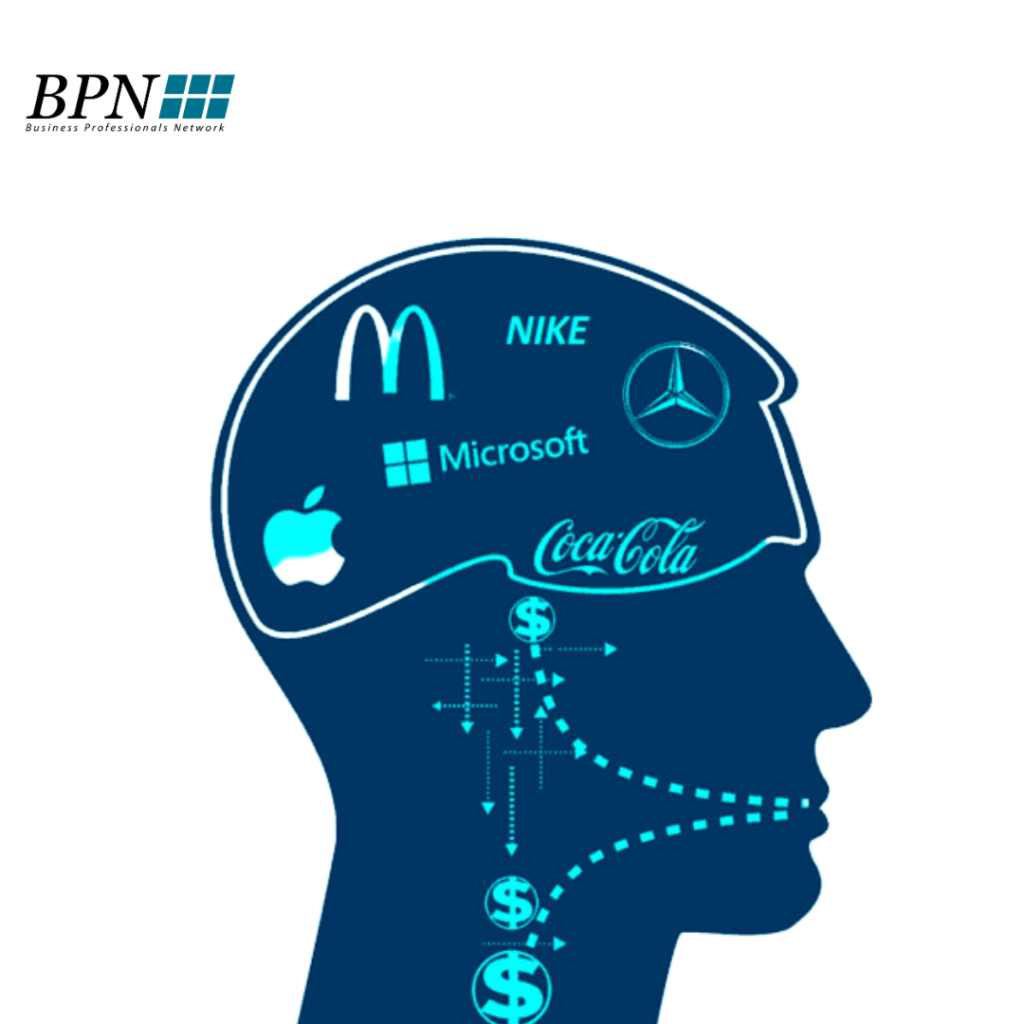

« We No We are selling products , we We are selling " Emotions " - this phrase best expresses the essence of sales in the 21st century. We evaluate the relationship between price and quality in the buying process and do not even realize that in fact, when making a purchasing decision, the emotional component influences us, which this or that product evokes in us. Emotions push us to action. In a wide selection of products, we pay attention to what awakens memories, what shows us similarities, what we associate with a specific emotion, experience, impression and life feeling, which is imprinted in our brain as subconscious information . This information appears in the appropriate situation without our control, gives us an appropriate reaction and determines the decision to buy. When we think that we have consciously purchased this or that product, in fact 90% of this happened unconsciously.
How many times have we chosen a perfume inspired by the scent of a specific person, or have we paid attention to an outfit in which we imagine ourselves as the queen of the party, or have we noticed a photo of a mansard hotel from a long list of hotels on booking.com that reminds us of our youthful dream of living in a mansard house. A smell, word, image, situation or feeling can become the force that brings information imprinted in the subconscious to the conscious and calls us to the act of buying. Price and quality are often just arguments why we bought this or that item, and not the impetus that actually made us want to buy it.
Information enters the subconscious through emotions – joy, surprise, love, hatred, sadness, anger, fear, pride, envy, shame, or guilt. If a manufacturer manages to make as many consumers as possible identify with their product, evoke more emotions in them, give them joy, surprise them, protect them from fear and sadness with their product, and avoid hateful situations, the consumer will definitely choose it.

The modern market is saturated with products. Constantly offering innovations that the market has never seen or heard of before requires a lot of creative and financial resources. Many companies do not have this luxury. Therefore, the only thing left is to distinguish your product or the forms of presentation of this product from your competitors on some basis that will make the consumer make a decision in your favor.
Almost all marketing tricks and strategies tried so far are gradually losing their effectiveness. Advertisements are becoming monotonous, boring and expensive. According to studies, each of us will have seen an average of 2 million advertisements by the age of 65. In this situation, it is necessary to look for new approaches to increase product awareness and demonstrate its advantages.
The solution lies in arousing emotions in people , not in providing information in a noisy and dry manner, which is what we often encounter when companies communicate with consumers.
Famous brands know the role of emotions in sales, and that is why they sell experiences along with products. They establish an emotional connection with the consumer with the help of emotional advertising or a specially developed communication strategy. When communicating, they emphasize the consumer’s perception of values, their desires, nostalgia, hopes or fears, and offer the product in a more effective way. Coca Cola does not just sell a soft drink, it sells a feeling of eternal youth. Apple does not sell technology, nor does it sell the desire to be an innovator, to be unique. Rolex hours It doesn't tell time better than other watches, but it's the best way to express your high status and the sense of pride you gain from your achievements.
How do well-known companies manage to deliver this emotional message to consumers?
They have studied their audience and know what is more effective in communicating with the consumer, the visual (logo, color, design, shape, packaging) or the auditory component (sound, music, words, slogan) and how to adapt it to the consumer's characteristics through 4 channels:
- Sensory (sight, hearing, taste, smell, touch)
- With symbolism (logo)
- Verbally (slogan, Power Words)
- With stories ( Storytelling )
NIKE 's entire advertising campaign and consumer communication is built on the message " just do it ". (Just do it). Probably many dreamed of achieving success. But they did not have the courage. They believed that success is only the lot of the chosen ones. NIKE responds well to this complex hidden in our subconscious, encouraging and calling us to express ourselves and just try to be special. This emotional campaign increased NIKE sales from 18 to 43%. NIKE customers do not just buy sportswear, but also an attempt to achieve what others have achieved (“ find your greatness. Just do it ” ).
When we know what emotion a customer responds to and how to evoke that emotion, what they enjoy, and how to deliver what they enjoy, we offer a product tailored directly to them through channels tailored to them and no longer overload them with unnecessary information. This is beneficial for both the customer and the company, allowing them to sell the product better.
Our seminar " Branding, Sales and Consumer Psychology " is dedicated to studying various communication channels and marketing or neuromarketing tools relevant to sales. If you want to deepen your knowledge in this area, join us for a seminar and learn how a customer's heart beats and how to motivate them to use your product.