
Discounts, in and of themselves, are neither good nor bad. Their main function is to:
• Attracting attention and raising company awareness
• Winning new customers and increasing market share
• Buy out old stock
• Taking advantage of missed periods
Of course, discounts only perform this function if they are planned wisely. To avoid planning promotions incorrectly, consider the following dangers:
1. Danger: Stored Products
The main goal of discounts is to increase sales. However, it is easy to make a mistake in the analysis. Many companies measure the increase in turnover during discount periods without taking into account the changes in sales before and after the promotion.
The period of announcement of promotions should not be known to the user in advance.
When the consumer knows when discounts are expected, he refrains from purchasing and waits for the price to drop. So later we are not faced with increased turnover, but rather with the postponement of sales periods and the sale of stocked products. In order for the seller to be able to offer discounts, a fairly high margin must be placed on the product.

2. Danger: The discounted price is perceived as a reference price
The consumer is never ready to pay any price for a product. He determines whether the product is cheap or expensive from his point of view by comparing prices. He makes comparisons with the same product purchased in the past or with similar products. If the discount is not named, that it is related to some fact, e.g. the introduction of a new product, the sale of products from the last collection, discounts in case of purchasing a large quantity of the product, etc. The consumer will think that the manufacturer sees benefits even at a discounted price and will refuse to pay more.
The discount must be limited in time or quantity
What was intended as a one-time discount may become standard and the consumer may refuse to pay the old price.
Use a psychological trick and set time limits or quantity limits on discounted products. This will prevent the consumer from feeling like the retailer is trying to get rid of the product.
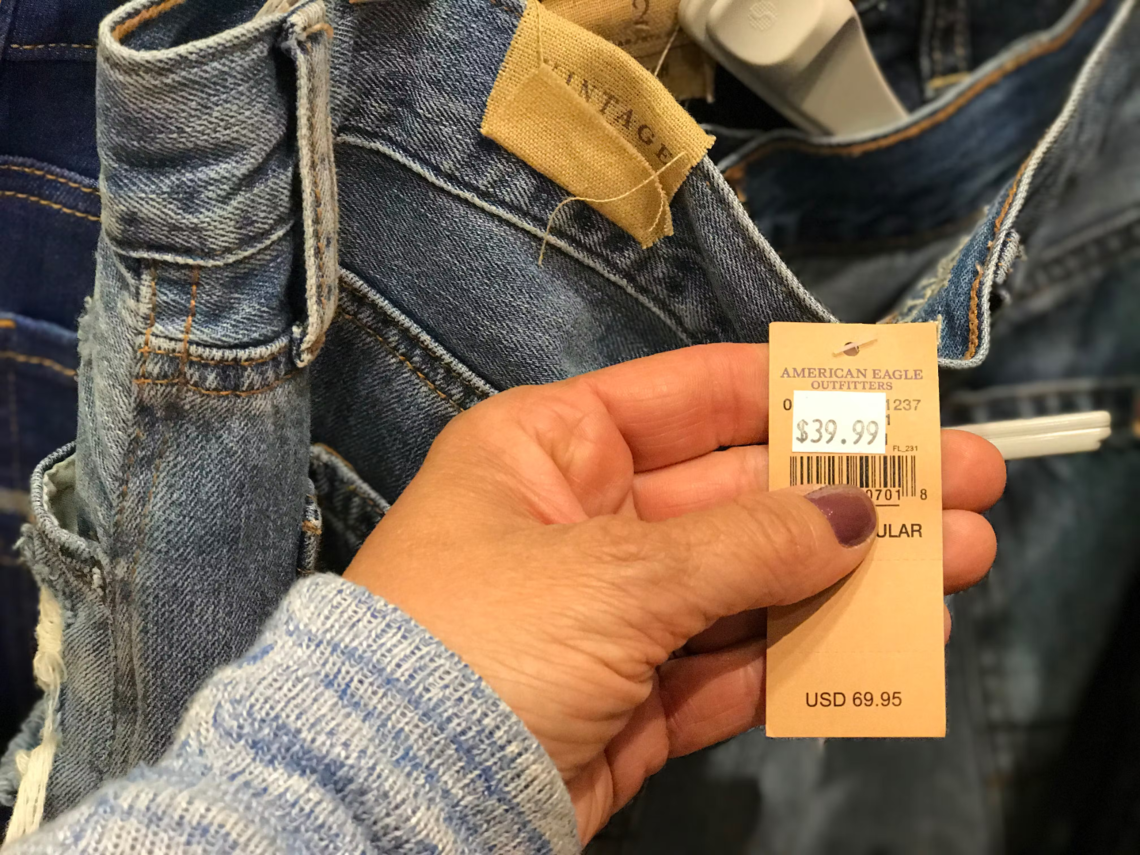
3. Danger: Don't get customers used to frequent discounts
Make sure that in the case of your product, price is truly a barrier to purchase. Would more customers buy it if it were cheaper? Or was price never an issue?
A discount cannot help sell a product if the consumer is not convinced of its benefits. Instead of demonstrating competence and explaining the benefits of the product to the consumer with the right arguments, we resort to discounts.
In reality, a discount is of decisive importance to a smaller segment than the retailer thinks. Accordingly, it is designed only for a certain number of customers. If you use special marketing events to spread the word about discounts to a wide range of customers, you are encouraging even the average buyer to become a discount-hunting buyer, which will harm your business in the long run.

4. Threat: Sales growth may not offset low margins
Before announcing a discount, you should carefully analyze how many products need to be sold to justify the discount and offset the low margin. This is especially important when the goal of the discount is to increase profits. Many people fail to correctly assess the need to increase the number of units sold during a discount.
Ill-conceived discounts can reduce revenue
It is not wise to discount the entire assortment. It is better to apply it to several individual products or only one outstanding product. A 20% discount on everything does not work better than a 50% discount on one specific popular product.