
You've probably been willing to pay extra money to save time many times. For example, you've bought something in a hurry at double the price, although if you had more time, you would have found cheaper alternatives. Or you've taken on two jobs at once and later had to hand them over to someone else for a fee because you couldn't do it yourself due to lack of time. In other words, you've bought someone else's time.
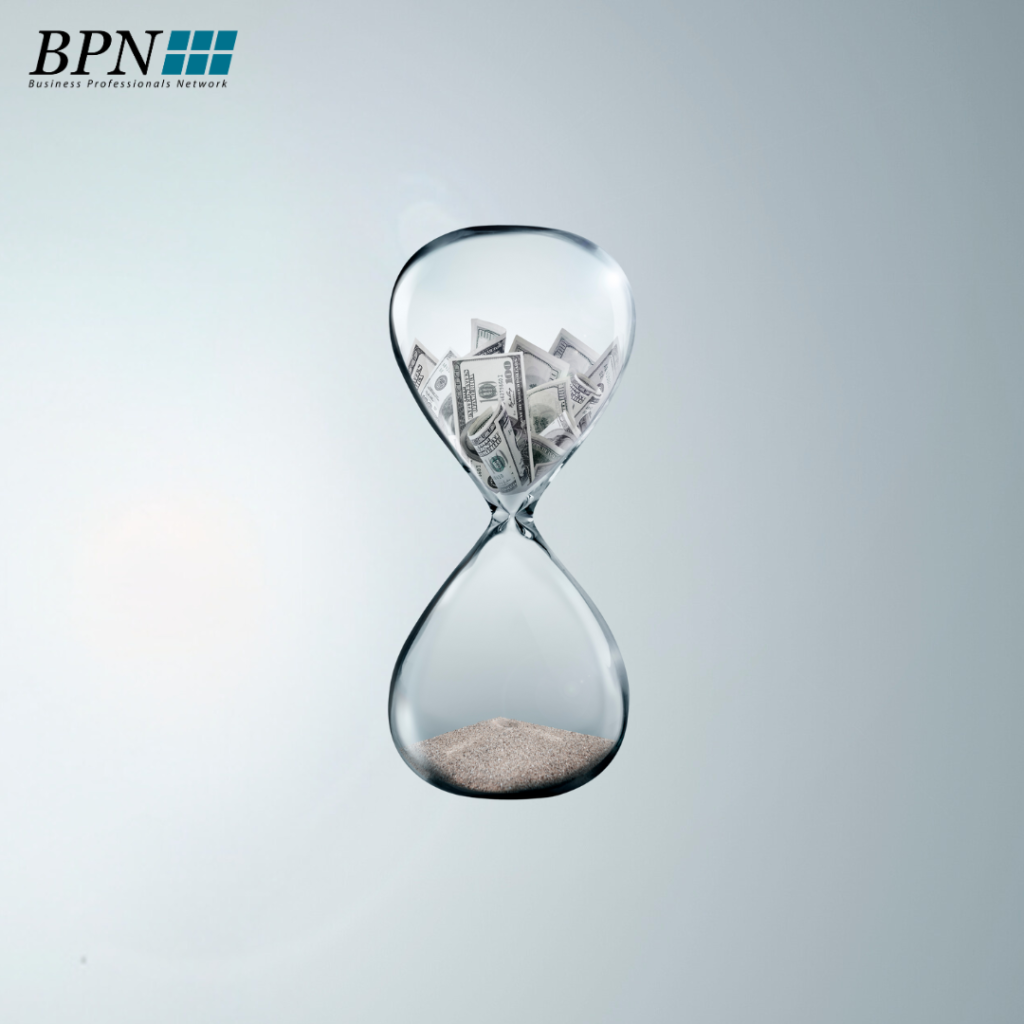
"Time is money. If we want to have more time, we have to pay more!"
მაგრამ იქნებ დრო სინამდვილეში ჩვენგან ჩვენს დამატებით ფინანსებს კი არა, მხოლოდ მონდომებას და სწორ მენეჯმენტს მოითხოვს?
21 საუკუნემ ბევრი გამოწვევის წინაშე დააყენა კაცობრიობა, თუმცა რაც განსაკუთრებულად საყურადღებოა და ყველას შეეხო, აჩქარებული დროა. ბევრი ახერხებს აუბას ფეხი სწრაფ ტემპებს, მაგრამ უმეტესობა მუდმივად სტრესის ქვეშ ცხოვრობს.
დროის დეფიციტი თანამედროვეობის საყოველთაო სენად იქცა. მიუხედავად იმისა, რომ დღე ღამეში ადრეც 24 საათი იყო, როგორც ახლა, გაჩნდა განცდა, რომ დრო შემცირდა.
მიზეზი ფიზიკის კანონების და დროის ტემპების ცვლილებაში არ მდგომარეობს, არამედ ჩვენი ქცევების და ცხოვრების ფორმების ცვლილებაში. ცხოვრება გამრავალფეროვნდა. განსაკუთრებით ციფრული სამყაროს პირობებში. გაჩნდა უამრავი რამ, რაც ჩვენს ყურადღებას, ინტერესს, ცნობისმოყვარეობას და კონცენტრაციას ბევრი მიმართულებით ანაწილებს თუ ფანტავს. ყველა ფეხის ნაბიჯზე ე.წ. დროის ქურდები თუ მანიპულატორებია ჩასაფრებული, იქნება ეს სოციალური მედიები, პროდუქტების ფართო არჩევანი, გართობის, განათლების და განვითარების უსაზღვრო შეთავაზებები და სხვა. ყველა ეს საშუალება ჩვენი ყურადღების მიპყრობას ცდილობს სხვადასხვა მანიპულატორული საშუალებებით. ანუ ჩვენი ქცევები გახდა მანიპულირებადი.
სამსახურში საქმეზე ჩაფიქრებულს ტელეფონით სარეკლამო შეტყობინება მოგვდის ჩვენთვის სასურველ პროდუქტზე სიახლეებით ან ფასდაკლებით. ვწყვეტთ ფიქრს და ვიწყებთ შემოთავაზების დათვალიერებას ვებ გვერდზე. გადავდივართ ინფორმაციიდან ინფორმაციაზე. დრო შეუმჩნევლად გადის. გვიჭირს საქმეზე ხელახალი კონცენტრირება. ის კი არ იცდის. გვიწევს აუნაზღაურებლად ზეგანაკვეთური მუშაობა. სამსახურიდან საყიდლებზე გვიან გასულს სავაჭრო ცენტრი ან დაკეტილი გვხდება, ან ნაკლები არჩევანით. გვიწევს მეტის გადახდა. სახლში გვიან მისულს დრო არ გვაქვს ბავშვის მეცადინეობისთვის. გვიწევს მასწავლებლის დაქირავება. უამრავი საქმით თუ საფიქრალით დატვირთულს არ გვყოფნის ძილი. დილით დაგვიანებით ამდგარს, გამოუძინებელს და დაღლილს გვიწევს მეტი სისწრაფისთვის და ნაკლები სტრესისთვის ძვირადღირებული ტრანსპორტით მგზავრობა ნაცვლად შედარებით იაფი მაგრამ ნელი საჯარო ტრანსპორტისა და ასე დაუსრულებლად. შვილებისთვის დროის დათმობის კომპენსირება ხდება ფასიანი ძიძებით. სამსახურში გაფლანგული დროის კომპენსირება – დამხმარე კადრის ჩართვით, რომელიც ასევე ფული ღირს. სახლში ჯანსაღი სადილის მომზადებისას დაკარგული დროის კომპენსირება – სარესტორნო ძვირადღირებული მზა კერძებით და სხვა. ყველგან, სადაც ვიგებთ დროს, ვიხდით მეტს, მაგრამ სინამდვილეში ზედმეტი ხარჯი არასწორი ჩვევების გამო გვაქვს და არა დროის სიმცირის გამო. ჩვენ არ შეგვიძლია ვიყოთ მობილიზებული, თანმიმდევრული და პრინციპული დროსთან მიმართებაში და უფლებას ვაძლევთ ყველა შესაძლო მანიპულატორს, იქნებიან ეს ადამიანები ჩვენი გარემოცვიდან, ნივთები თუ ფაქტები, მოგვპარონ დრო, რომლის კომპენსირება შემდეგ ჩვენივე ფინანსებით ხდება.
დროის მართვა სწავლადია. ჩვენ უბრალოდ უნდა შევცვალოთ ან გამოვიმუშაოთ შესაბამისი ჩვევები. ამაში კი დროის მენეჯმენტის ექსპერტების რჩევები დაგვეხმარება.
- Set goals.
They will dictate to you how much time and money to allocate for what.
Try to make your goals not general, but specific, measurable, realistic, and relevant, and set yourself deadlines for achieving them. Without clear goals, there is a risk of getting sidetracked and wasting financial or time resources in the wrong direction. Take balanced steps toward your goal.
- Plan your day.
This will allow you to allocate your time and money correctly. With unplanned and spontaneous steps, you become more easily manipulated and waste time and money without thinking. With planning, you understand where and how you can allocate your money in accordance with the time.
- Prioritize
We often misjudge our own capabilities or circumstances and believe that we can do everything at once, but in the process we encounter the opposite and have to postpone or delegate the task, which leads to additional personnel, penalty or other unforeseen costs and changes the deadlines for completing the task. The more you postpone the task in the future, the less time you will have to complete it. Divide the task into urgent and important tasks and analyze the need to prioritize any of them.
- Apply the Pareto principle (80/20)
The Pareto principle implies that 20% of the effort used brings 80% of the results, and the remaining 80% - only 20%. This roughly means that only 20% of the books read leave us with valuable information. Or only 20% of customers bring 80% of the company's total revenue, while the remaining 80% use the time and energy of employees, and the income from them is small.
It is not necessary to perfect every task when sufficient results can be achieved with relatively little effort.
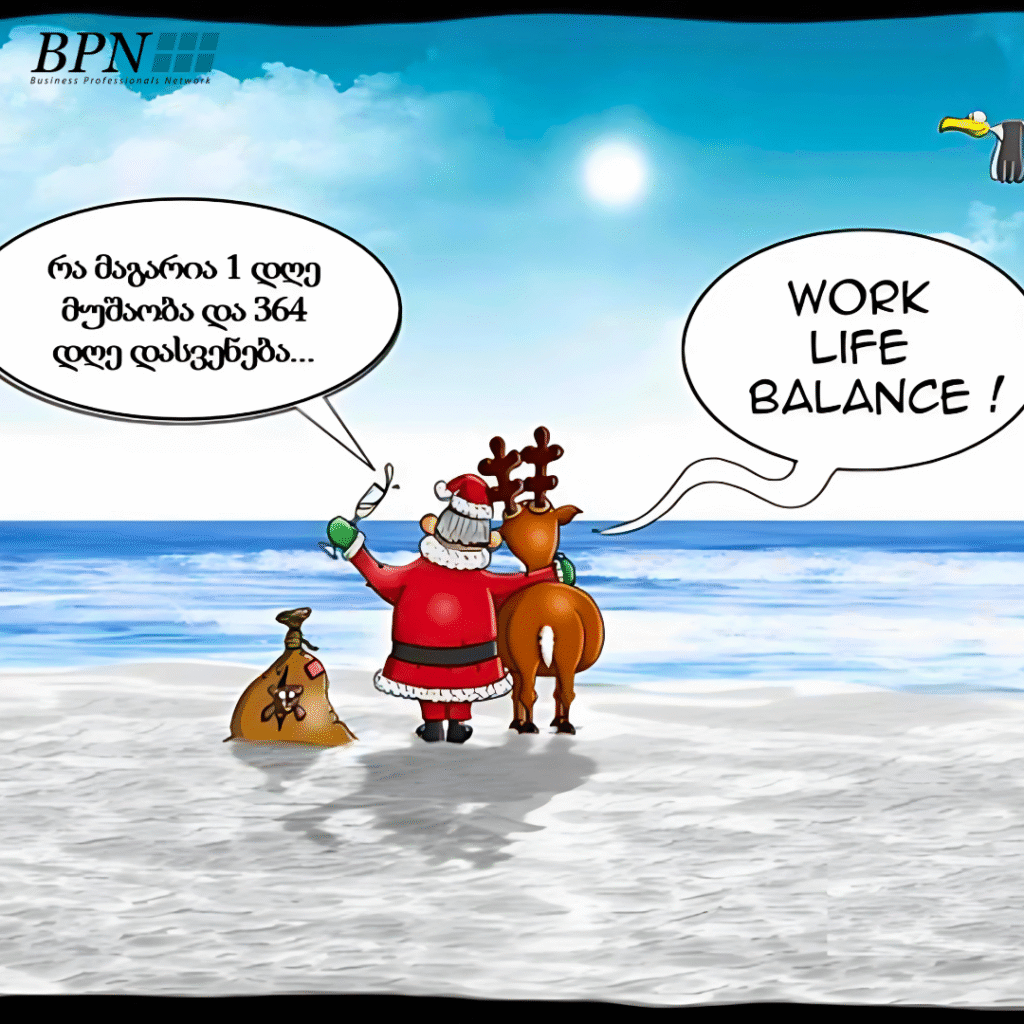
- Maintain life balance
Try to focus as much as possible on your work, social relationships, mental & physical health, and self-awareness. If any of these areas are lacking, motivation will decrease, and this will affect all other areas in every direction, including your finances and time.
- Analyze your own work capacity phases
Every person is individual. Think about what your personality type is, what kind of work style and work capacity are characterized by at what time of day, or when you are most mobilized to perform what kind of work. Organize your activities around your own biological rhythm. If you are a morning person, you will not be able to go far at a job where you have to do your main workload in the evening, and vice versa.
- Form new habits
First we form our habits, and then they affect us.
Write down habits that are taking up a lot of your time, money, or energy. Try to think of a positive alternative to them and replace the old harmful routine with a new beneficial behavior. Reward yourself for the first results, making your subconscious feel that the new habit was worth it.
- Say no.
We often allow our surroundings to get in the way. At this point, we neglect the task and end up wasting time and financial resources. Say no to all time thieves.
Time is not worth money, but we have to pay more for it because of our bad habits .
Break free from bad habits and save more.
And if you want to delve deeper into this topic, follow us! We'll teach you time management.
* Vilfredo Pareto – Italian scientist and economist